


Coiba sea kayak expeditions 🇵🇦 The wildlife paradise with a dark past


Coiba National Park is a UNESCO protected marine park off the pacific coast of Panama. Coiba Park encompasses over 2,700 square kilometers of islands, forests, beaches, mangroves and coral reefs making it one of the world’s largest marine parks. It is also the largest uninhabited tropical forested island in the Americas measuring 242 hectares.

The island didn’t used to be uninhabited, it was once home to approximately 3 indigenous tribes who mysteriously disappeared. Their disappearance is suspected to have happened from disease brought to the island by a Spanish trading ship. When Panama declared its independence from Grand Columbia the uninhabited island became a penal colony. From 1919 to 2004 the island was a barbaric prison, about 30 prisoner camps were constructed, these were mostly wooden huts and shacks with prisoners left to their own devices.

A couple of sites were more permanent, one is now a military base for drug patrol. Although now mostly in ruin the camp has purpose built houses and other buildings resembling a small village for the prison guards. There are also 2 cell blocks, one old and one relatively new. The new one was constructed in the 70's and is still maintained, with toilets, plumbing and concrete platform beds. The older block is in ruin and never had these luxuries, the small cells would have 30+ people crammed inside and would flood at high tide. Just up the hill from the cell blocks is a mass grave, nobody knows how many people are buried in it but it is in the hundreds. People were not sent to Coiba to be rehabilitated; they were sent there to die. The one positive of this brutal prison is the island had been protected from development and fishing. Boats patrolled the waters around the main island and shot anyone attempting to reach the land. The Park is now a heaven for wildlife with 80% of the forest remaining untouched.

The main island is home to an abundance of wildlife, including some endemic species like the Coiba Howler monkey and the Coiba Agouti. As well as capuchin monkeys the American Crocodile and there are rumoured to be Black Panthers deep in the interior.

My adventures as a guide on the island
I have been really lucky to work in this wildlife paradise as a sea kayak expedition guide with Fluid Adventures. During the dry season from Dec-May we take people for 2-6 day expeditions, paddling round islands, exploring the reefs and living with the animals.
Our standard trip is packed with adventure, we make a base camp on an empty beach in the north east of the island. Tents are set up just off the beach in the jungle and then we pout together the kitchen, which is always the hub of any camp. Despite the heat and it usually being dry season we still always erect a tarp. Not to protect us from the elements but the falling coconuts. Beach camp is ideally located with easy access to reefs and small islands to explore. Although the camp is secluded we are not alone. The camp backs onto a fresh water lagoon that is home to numerous basilisks, frogs and a crocodile. A peace deal has been negotiated with the crocodile and we give each other space! Camp is often visited by the capuchin monkeys who thankfully do not associate us with food and behave in a completely natural way.

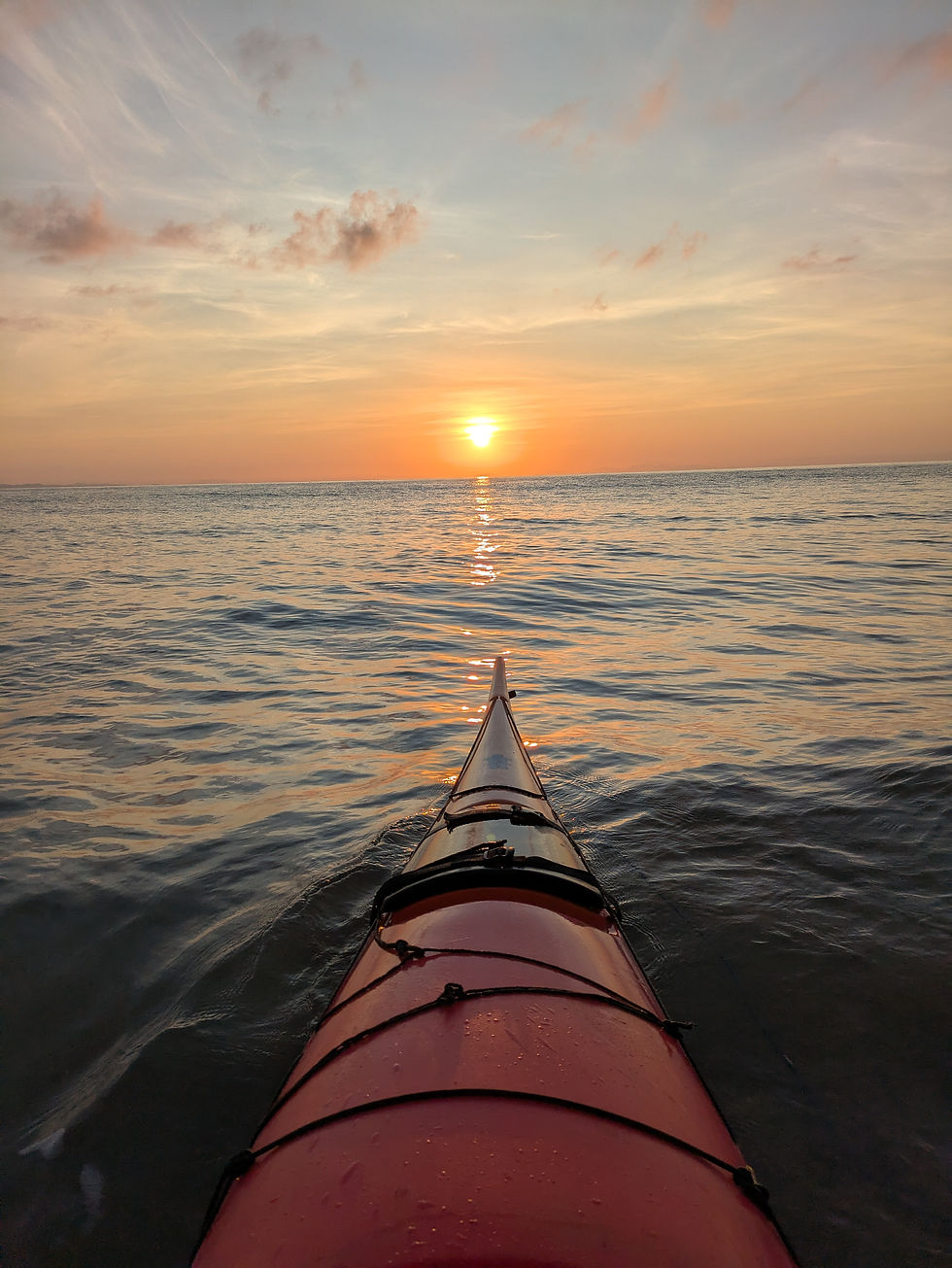
Every day is different, after sunrise breakfast we load the sea kayaks with lunch, snorkels, and fins before heading out to explore the park. With the kayaks we can access the rivers running into the interior of the island and can glide across the tranquil waters to the remote islands and hidden reefs.
This is a truly magical place where you can be swimming with a sea turtle after kayaking to a hidden reef.
Words can not do this place justice, you have to be there and see the place.


Comments